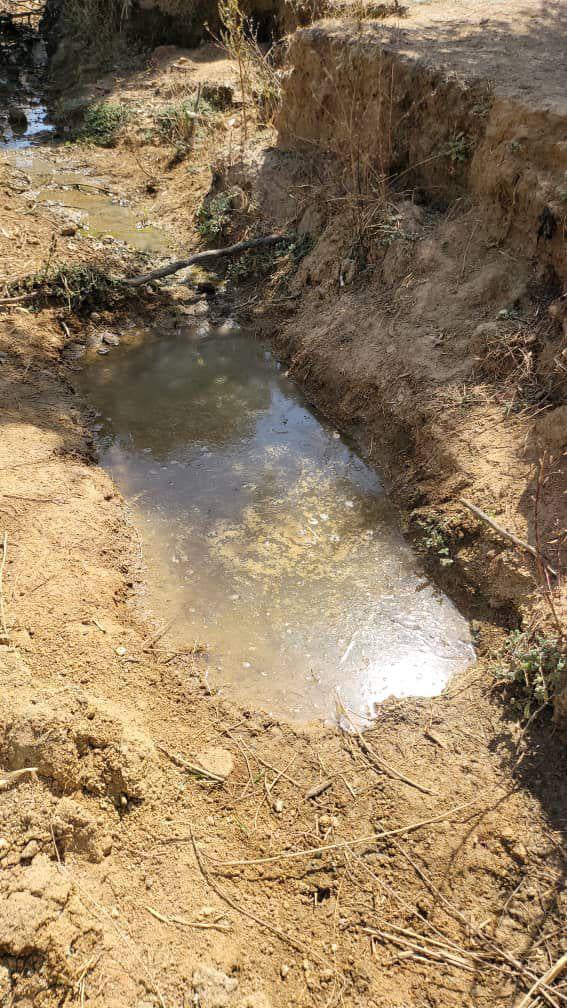
ACCESS TO CLEAN WATER
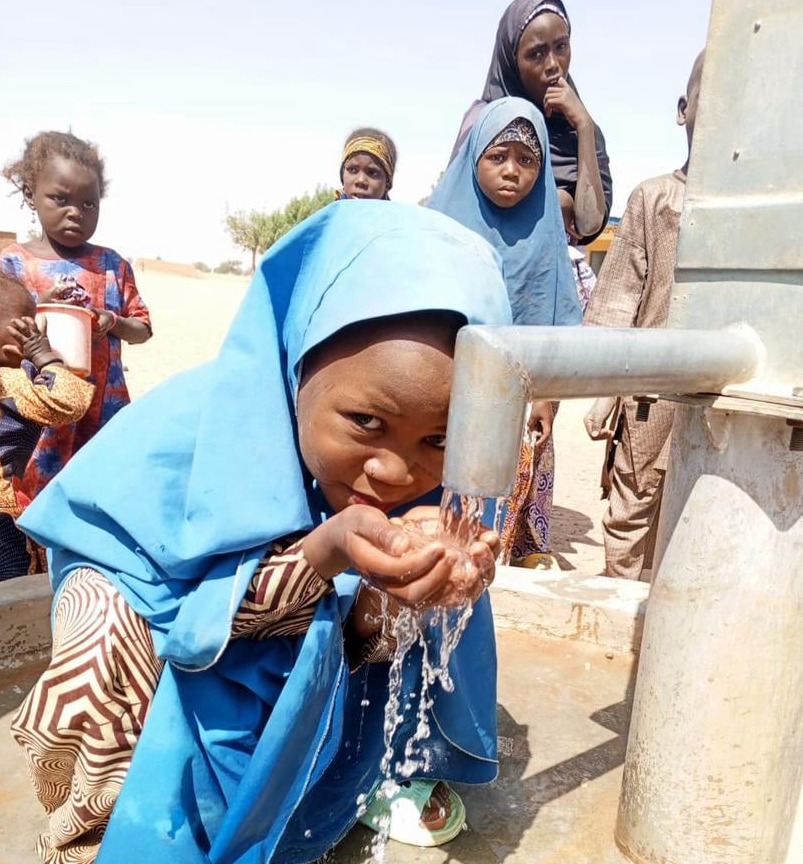
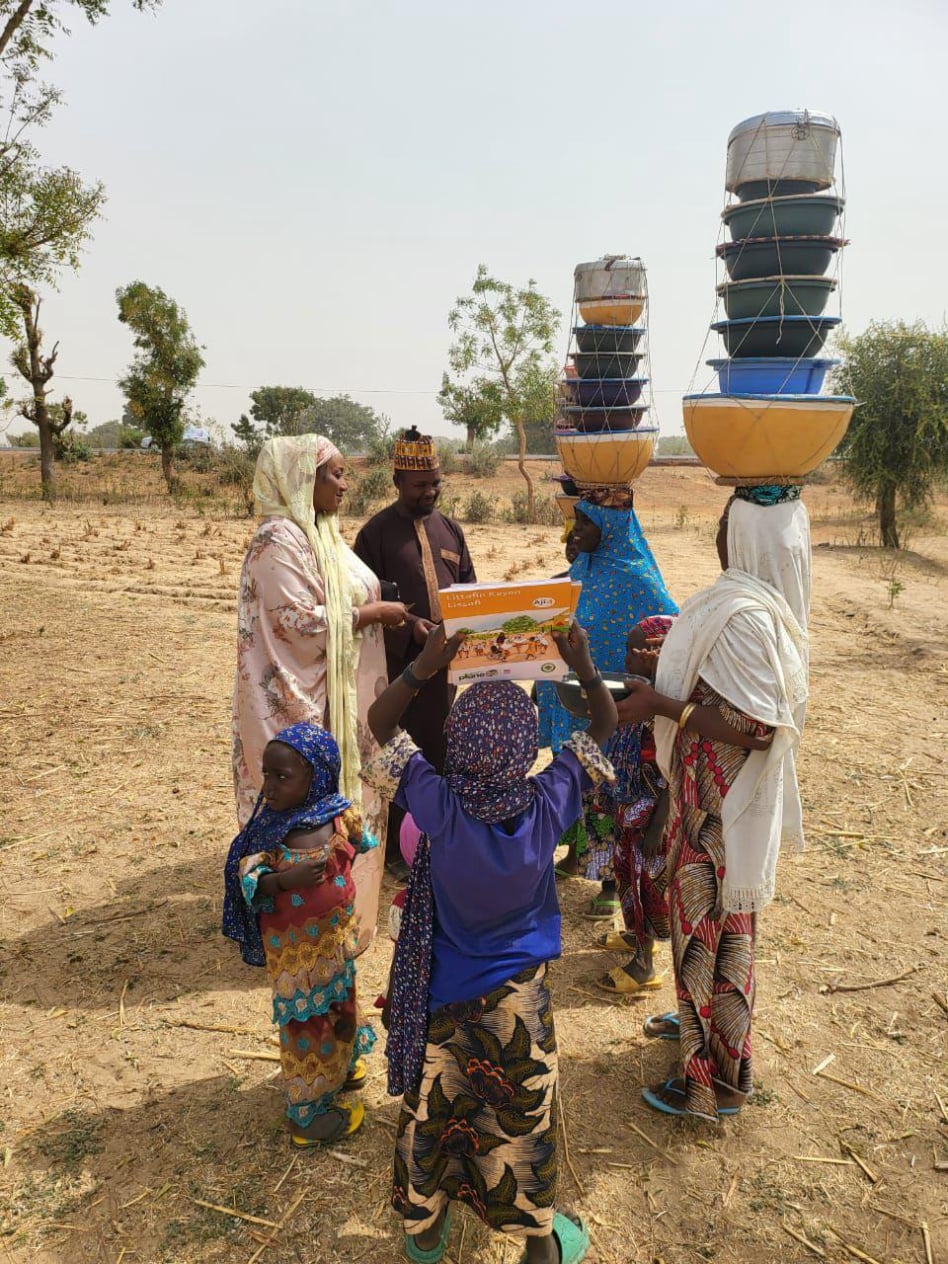
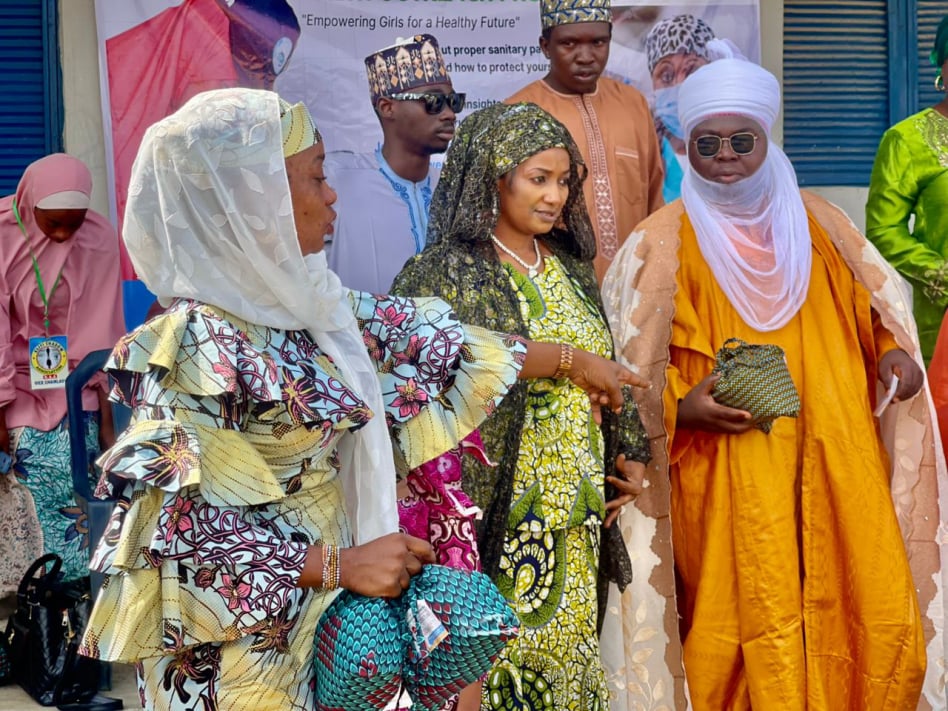
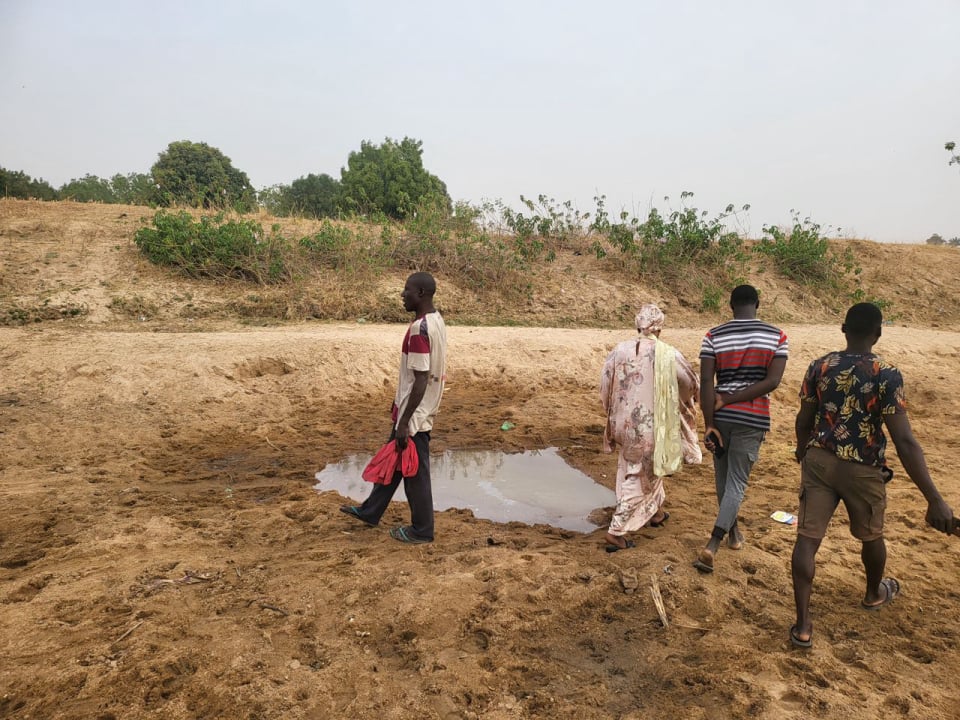
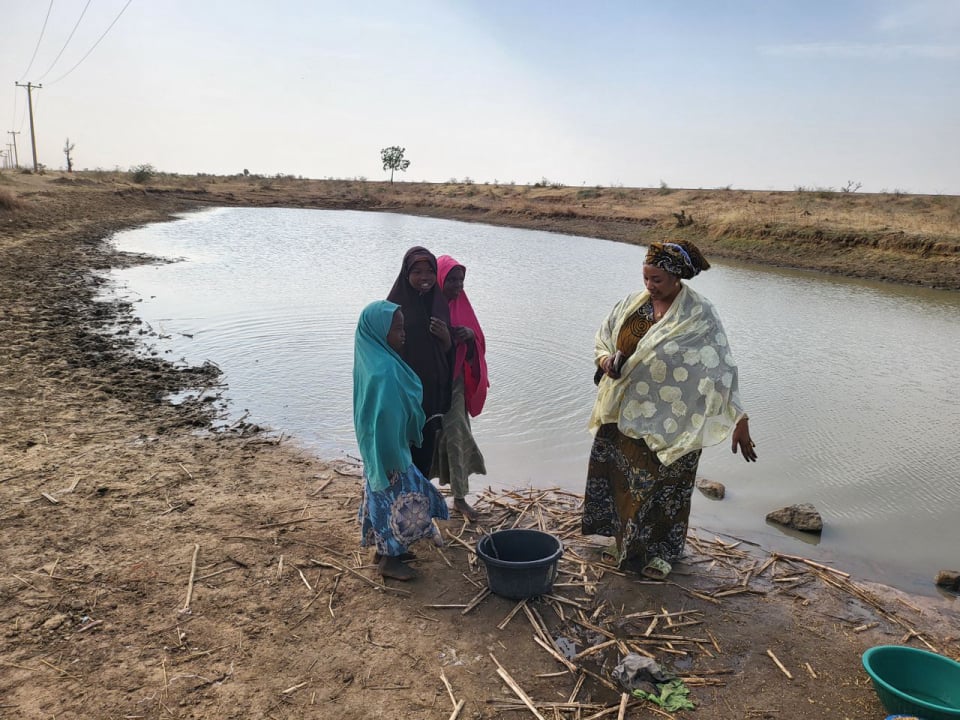
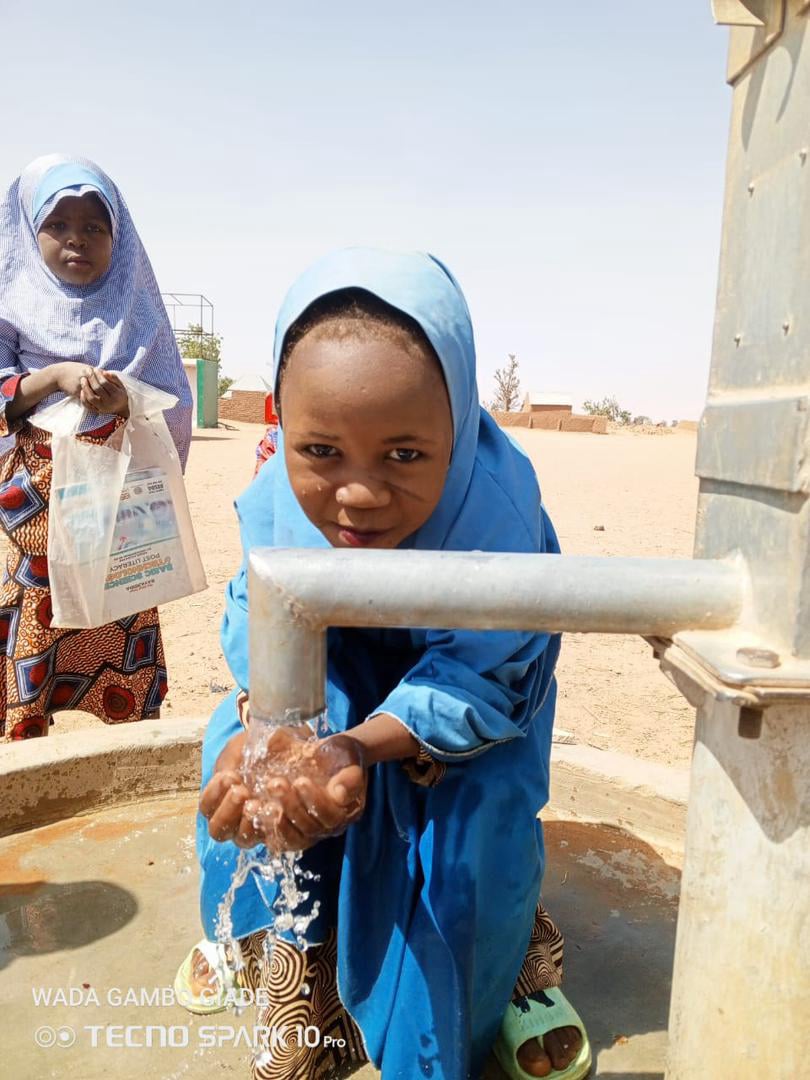
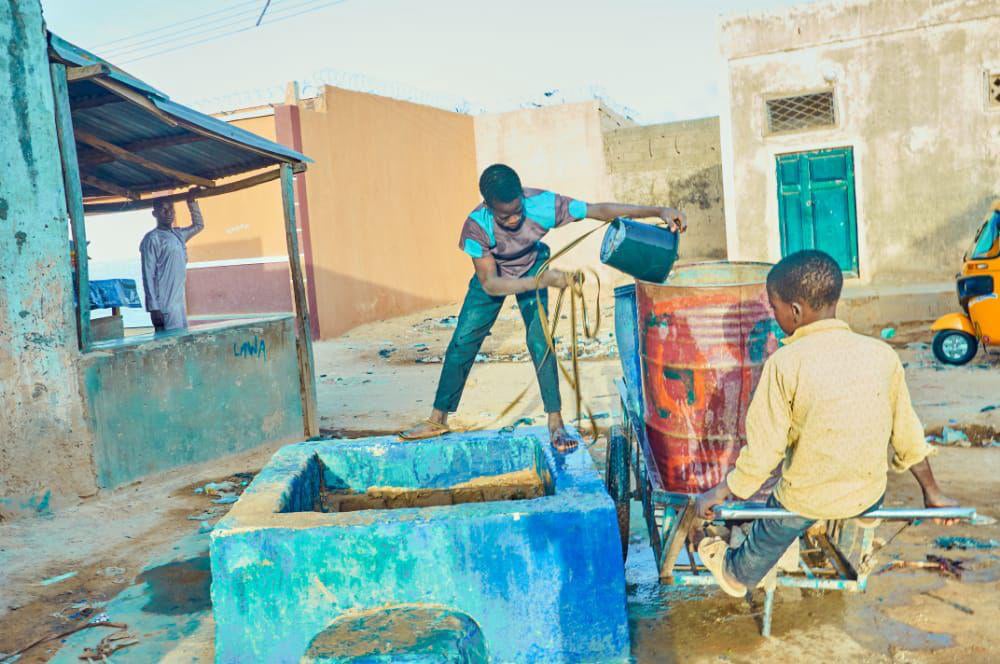
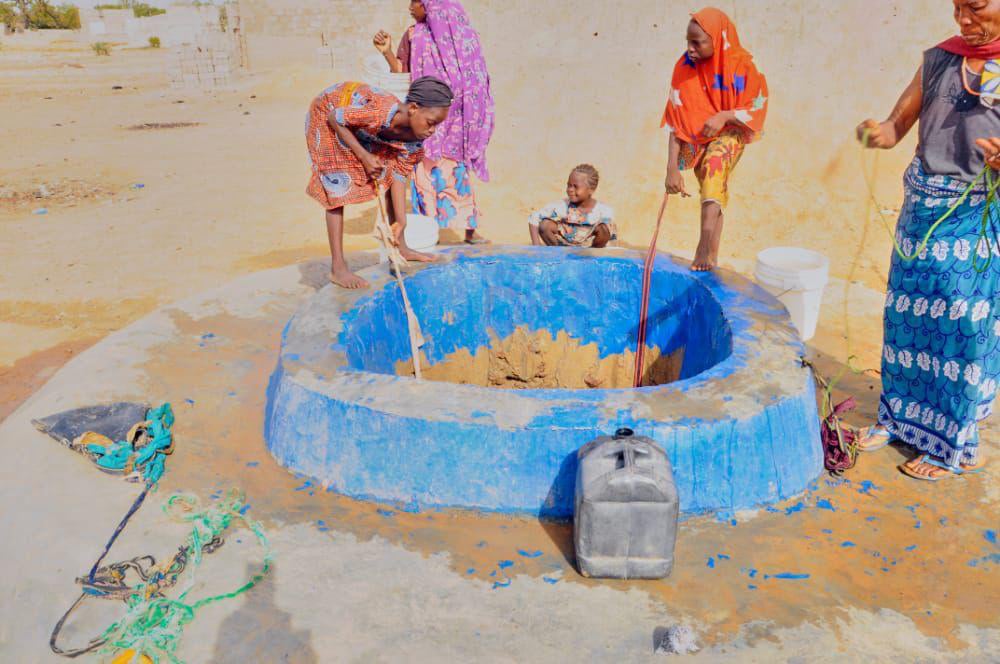
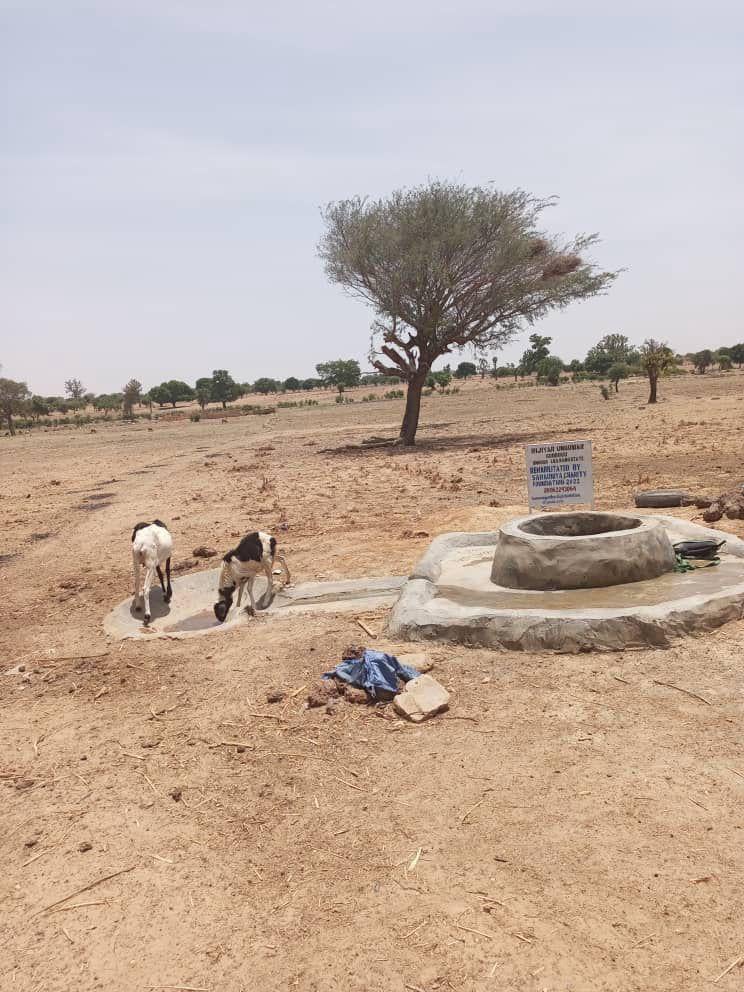
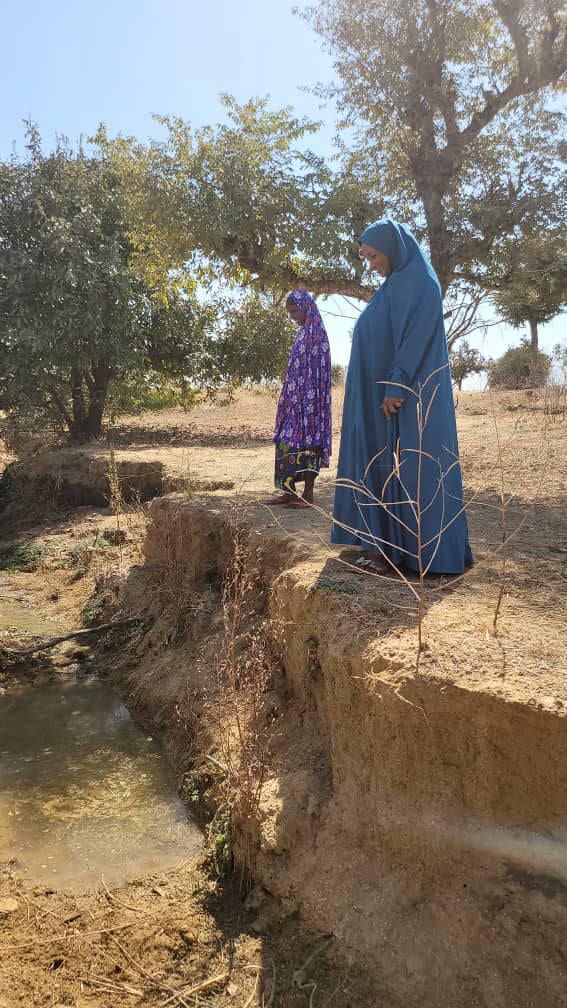
Contaminated water sources are notorious for threatening life through the many diseases that they spread (cholera, diarrhea, guinea worm and typhoid), that has become the major cause of death in rural communities, especially in children. Most rural communities have been overwhelmed by waterborne diseases that can often times be avoided, economic perspectives also reflect the low levels of productivity across rural communities in agriculture, livestock rearing and management, and health as time that, could have been put to great use have often been spent walking long distances in search of water, which forms the basis of the production done across most rural communities. The negative impact of poor access to good water supply also extends to education in rural communities where girls have had to skip attending school due to hygiene concerns attached to their menstrual cycle. Recent studies have also drawn a relationship between water sources and conflicts in rural communities. Droughts and shrinking water sources in dry season results in migration and this in turn breeds tension that leads to herder-farmer crisis often witnessed across the country. These harsh realities of inadequate access to clean water supply have bred violence, threatened health, education and productivity and above all, put public health at risk, through poor hygiene.
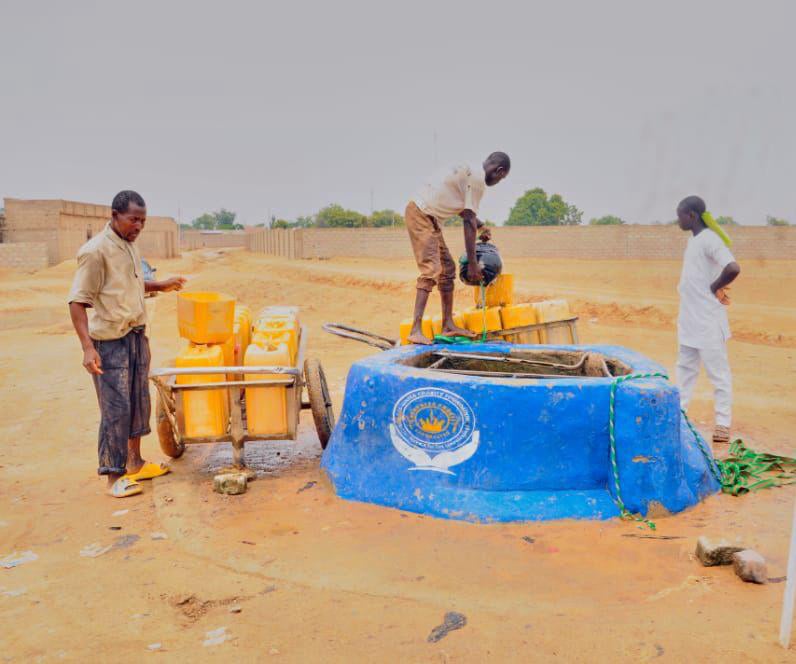
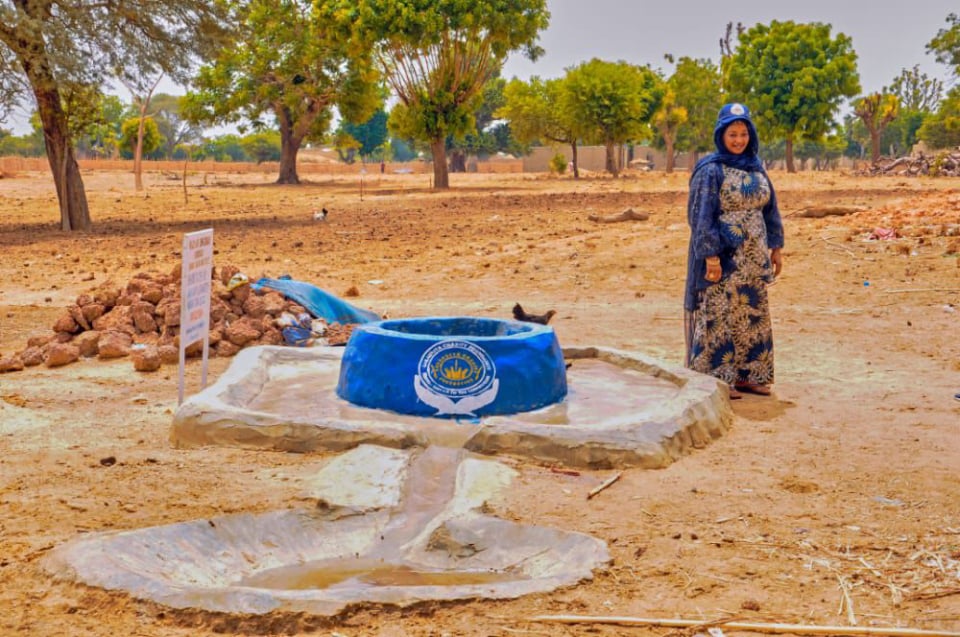
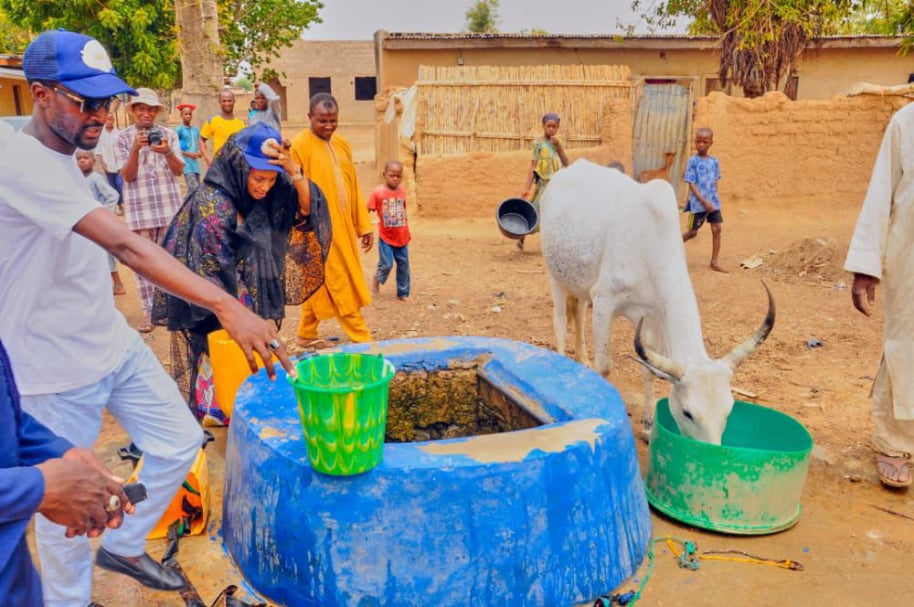
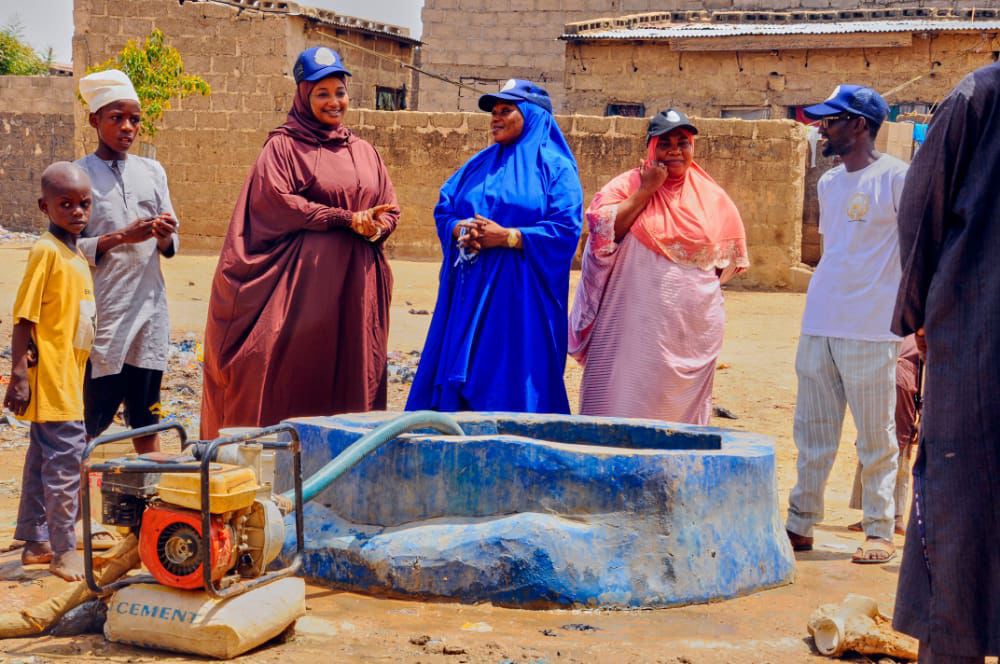
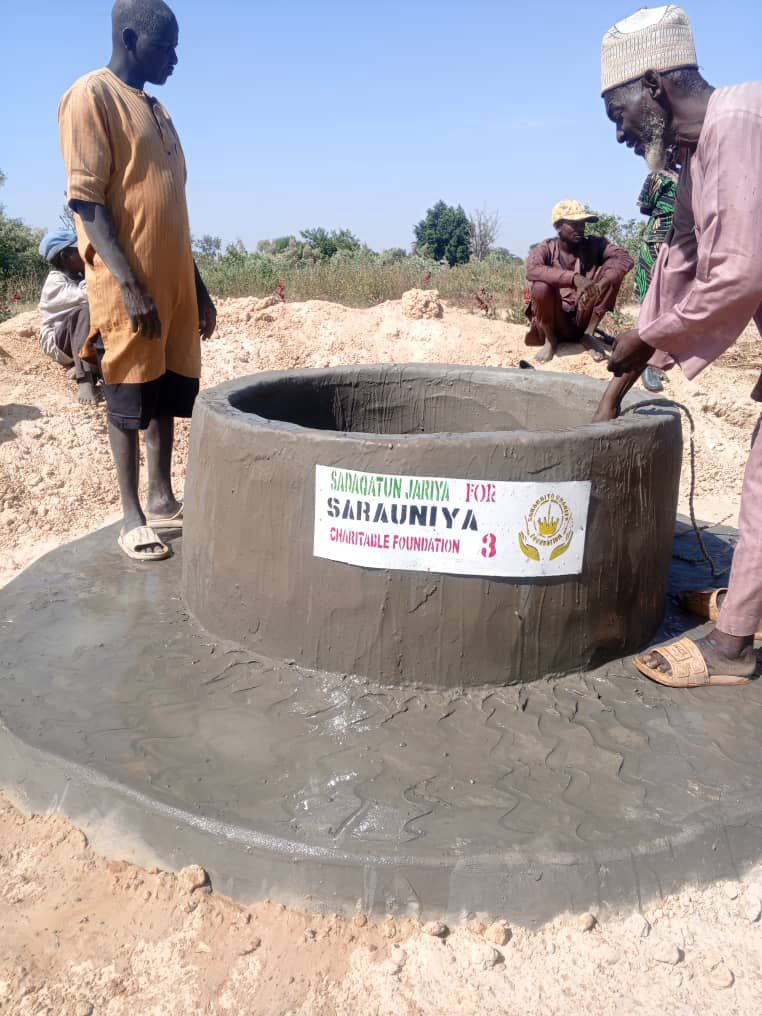
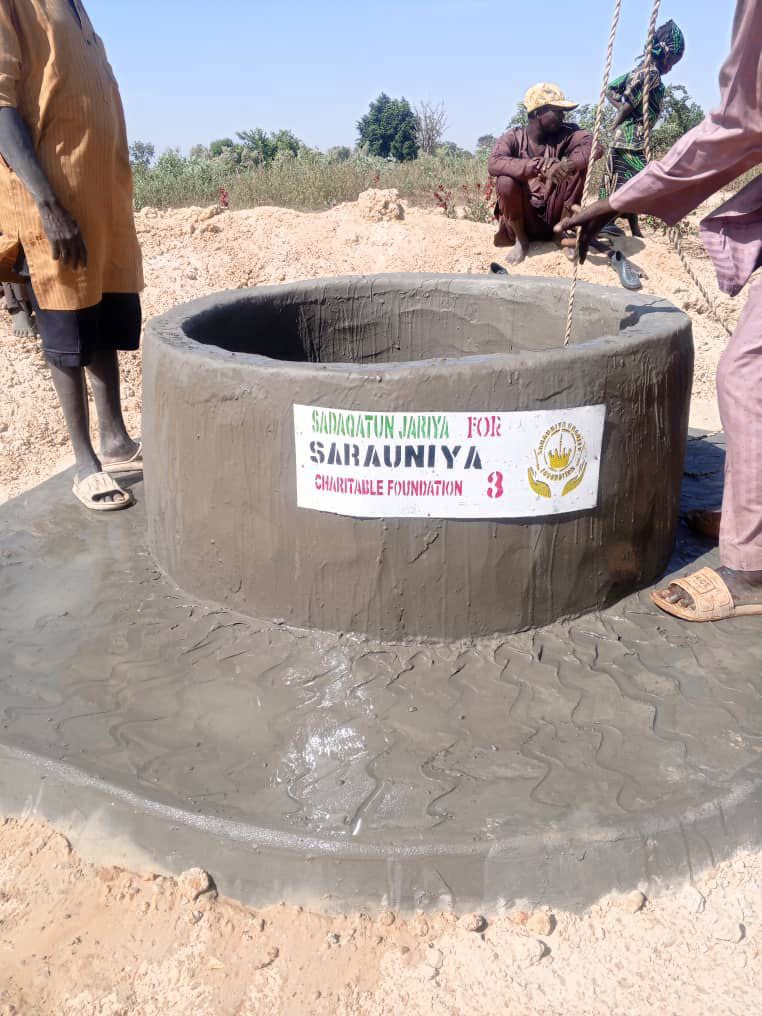
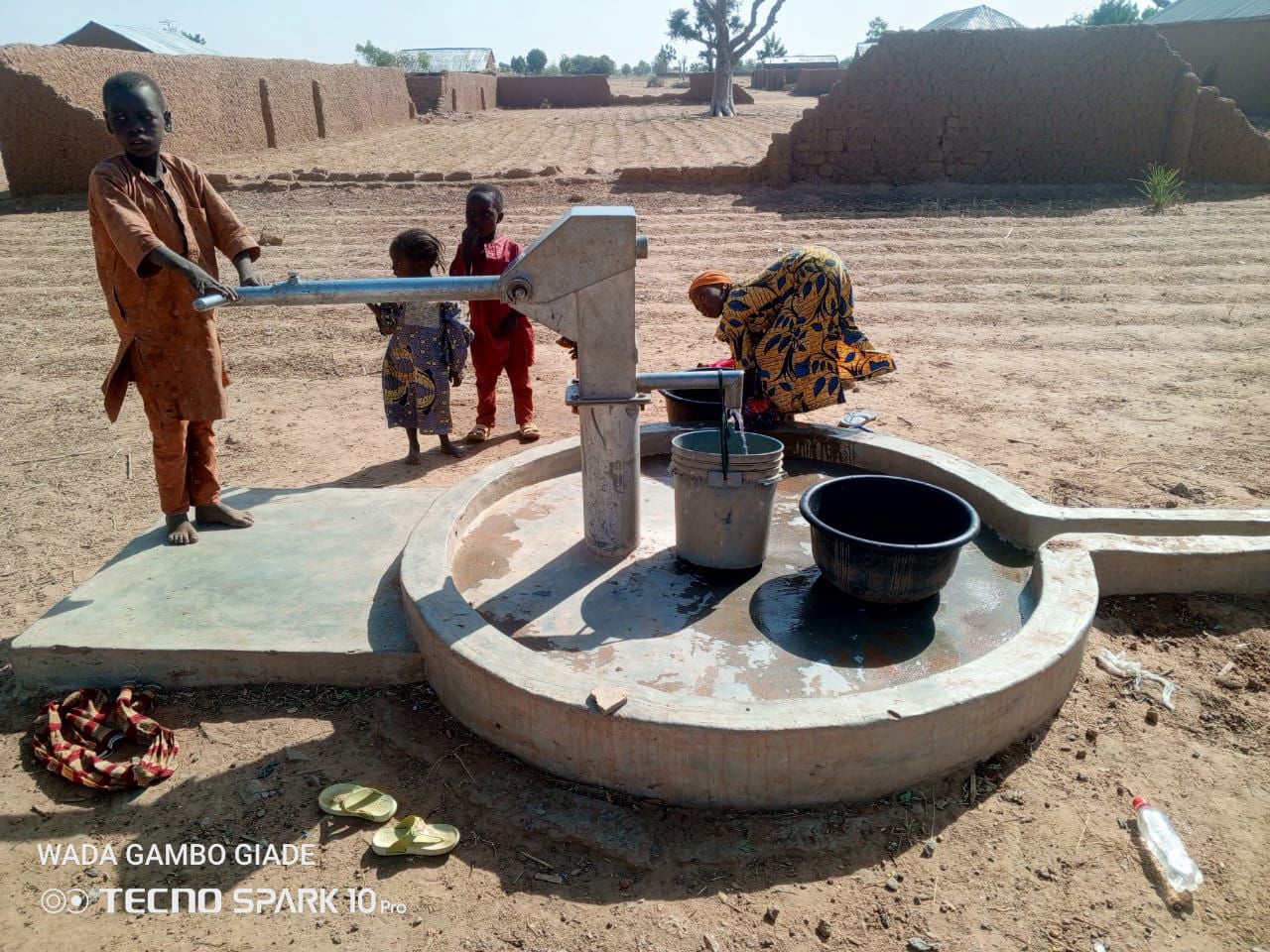
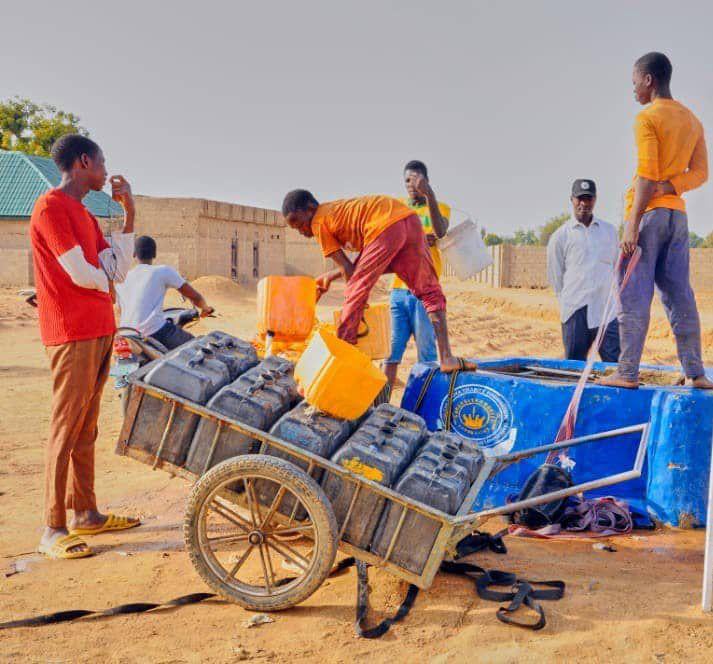
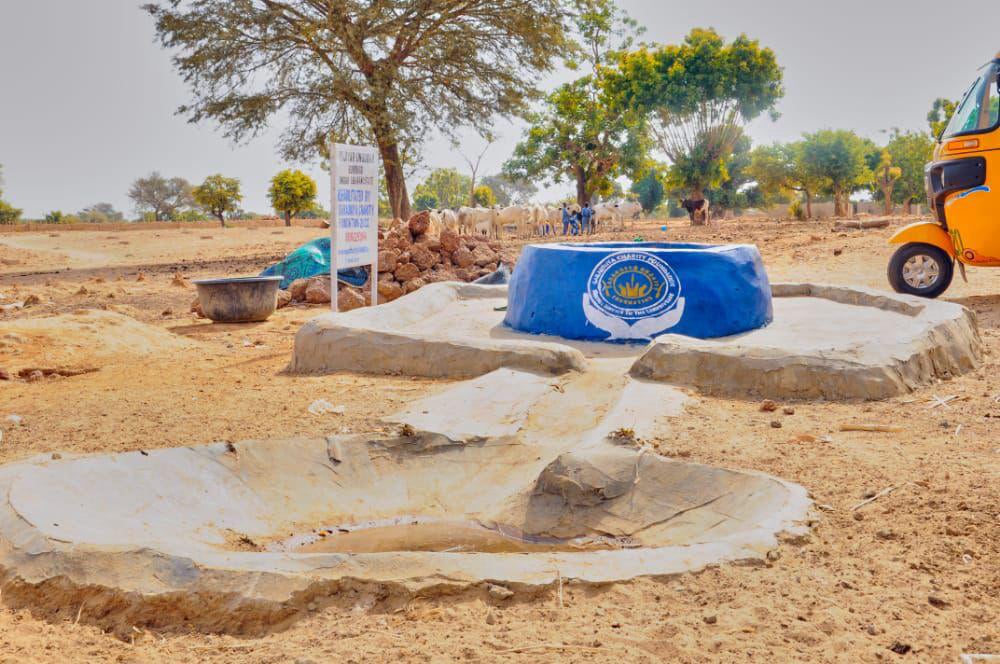
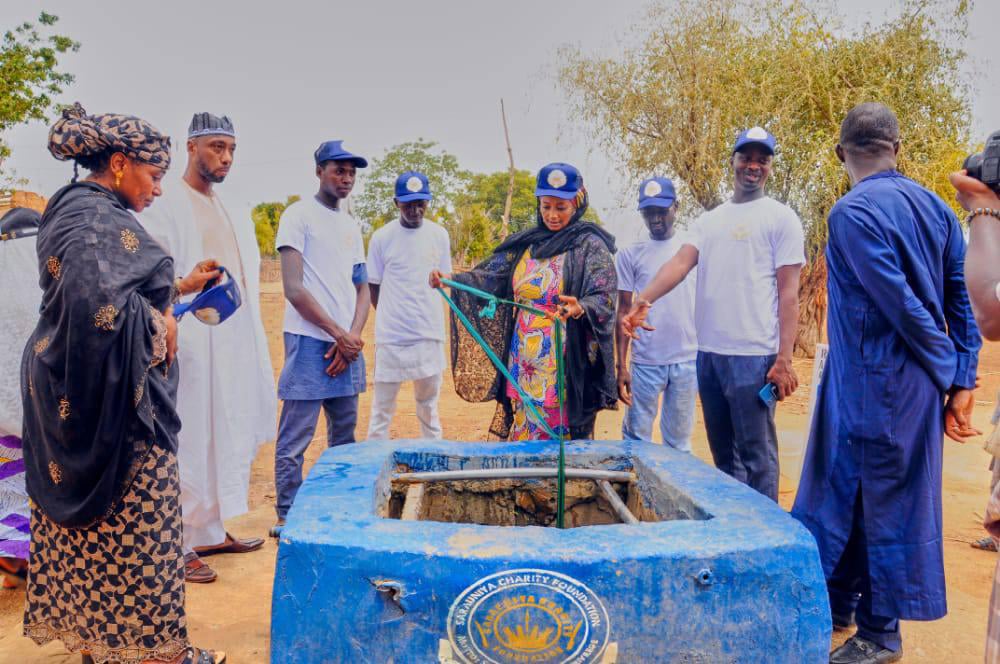
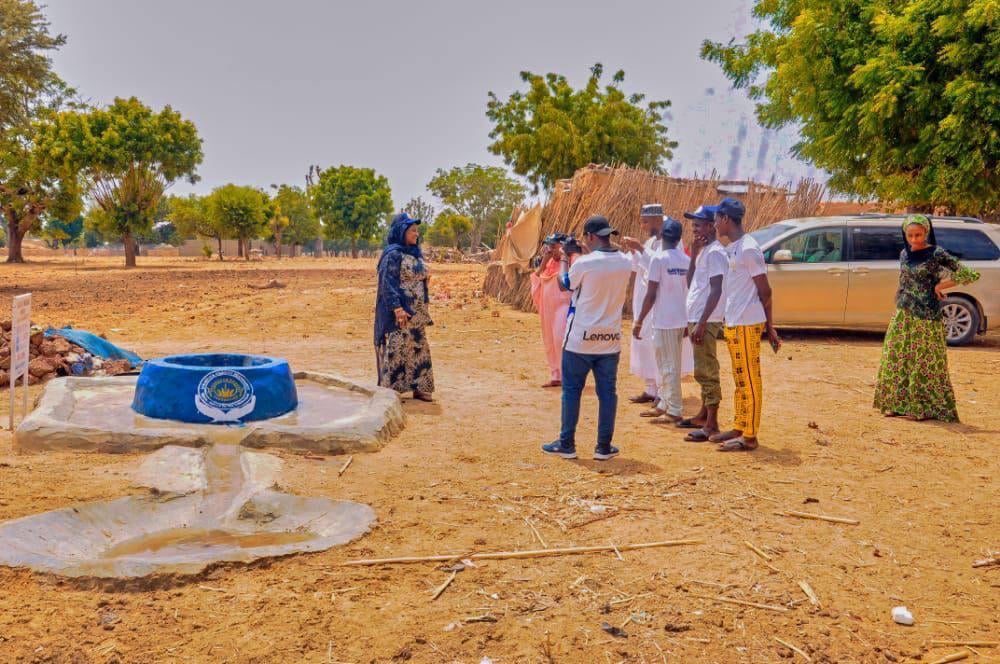
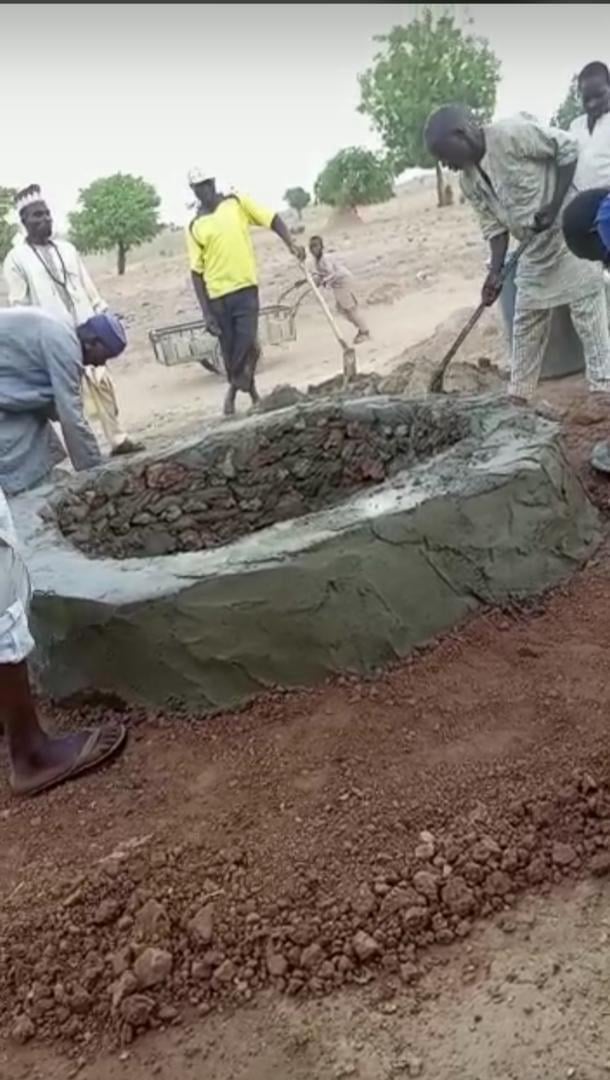
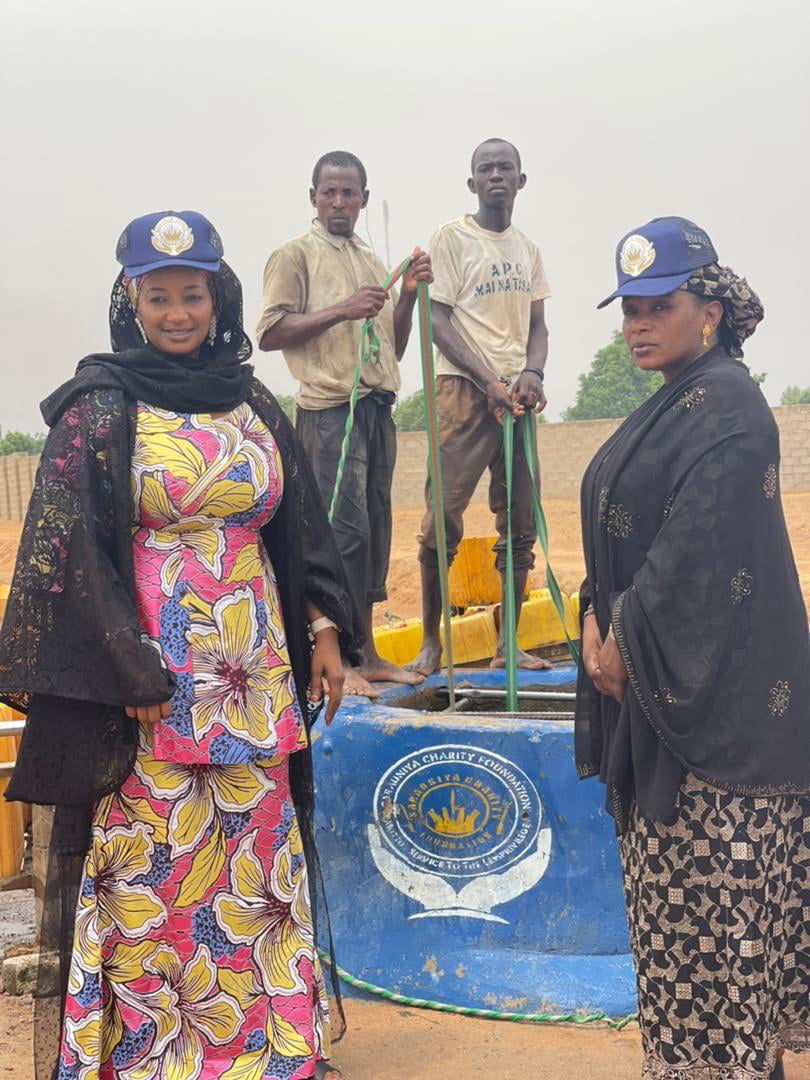
As one of our core mandate, we have taken very seriously the task of providing access to clean water in hard to reach communities, to among many things, bring about peaceful coexistence, promote good hygiene and sanitary conditions, health, education, and increase in economic productivity and an all-around community advancement. So far, we have provided 3,246 hand dug wells, 720 new boreholes and rehabilitated 1000 already existing boreholes across the country. Despite these achievements, we seek to, through partnerships with other stakeholders, eradicate the problem of poor water supply across hard to reach communities in the country by undertaking more construction of clean water sources and by extension improving the quality of life in general.
HEALTHCARE
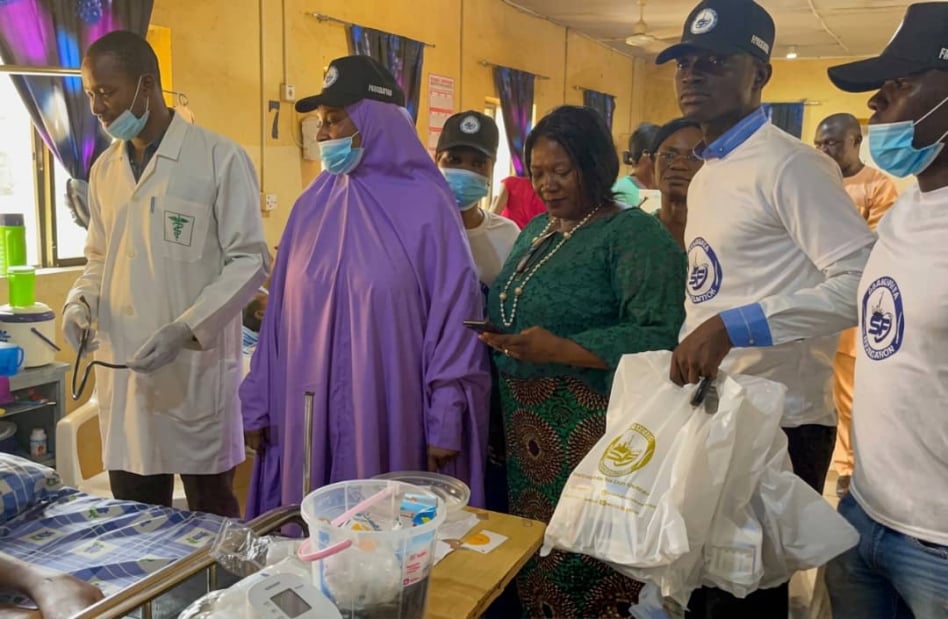
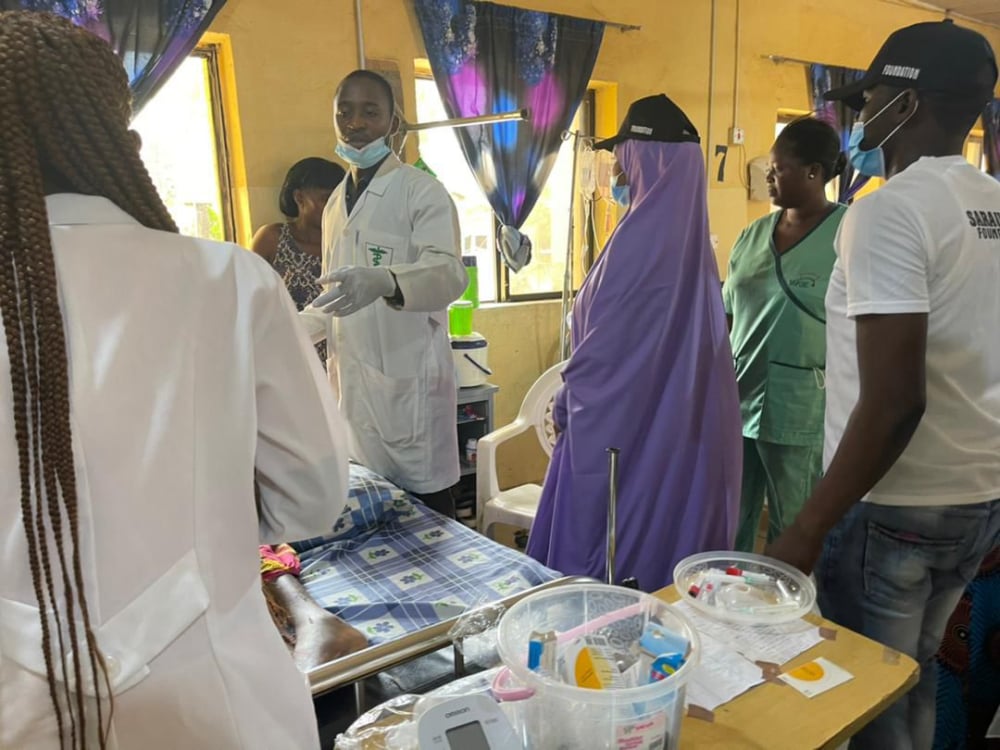
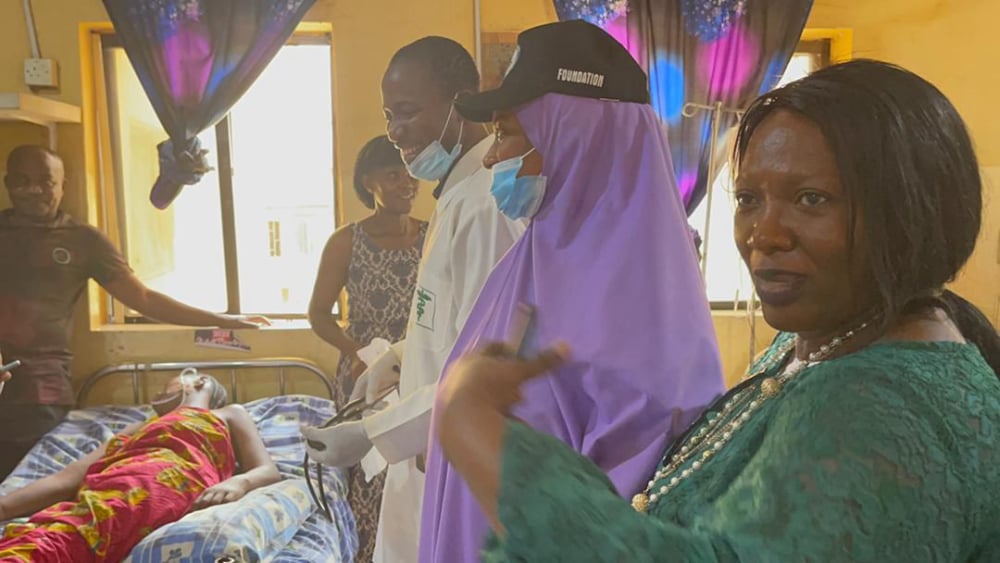
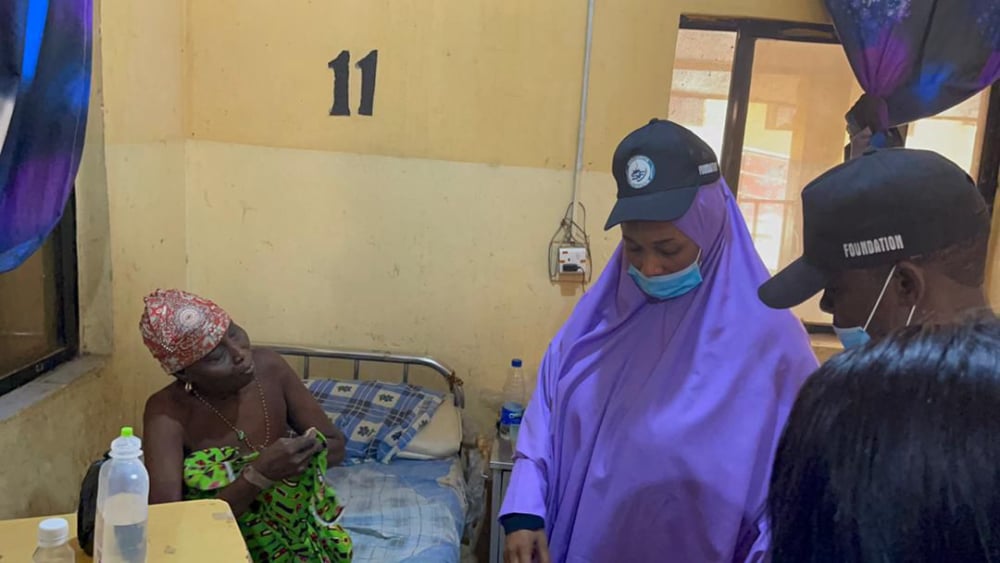
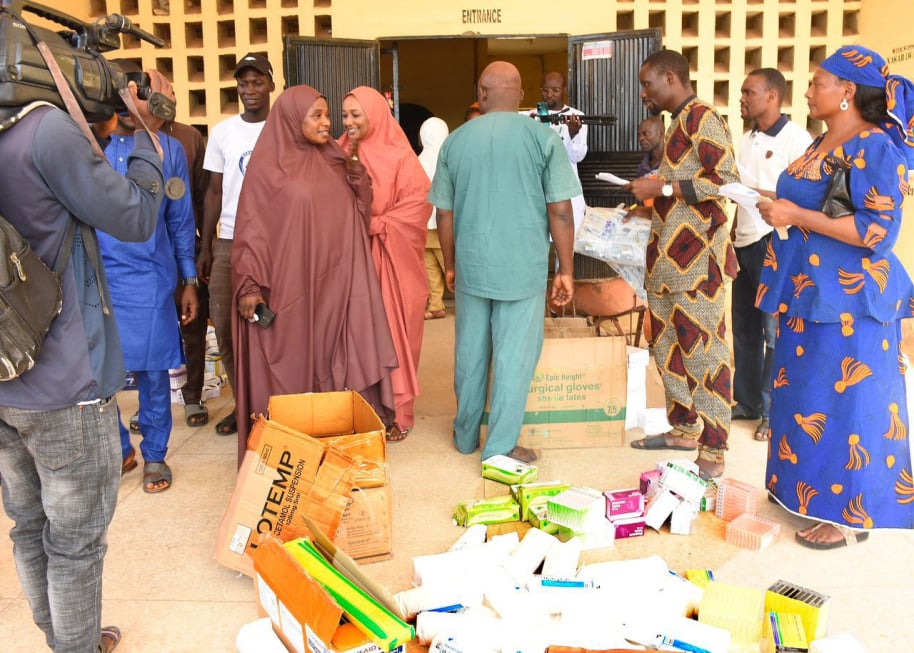
Healthcare interventions within communities has raised concerns due to the inadequate health facilities and supply of products meant to cater for health needs. For instance, maternal mortality latest figures show 576 per 100,000 live births (4th highest in the world) and each year, approximately 262,000 babies die at birth (2nd highest in the world). Infant mortality figures suggest 128 per 1,000 live births with more than half of the under-five deaths, which represents 64% resulting from pneumonia, malaria or diarrhea. While investments in maternal health and child health within the country has increased, access to appropriate treatment remains low. Government’s effort to improve access to primary healthcare across each of the country's 1,000 administrative wards has yielded very little result with a patchy healthcare coverage, bottlenecks and poor healthcare provision. Malnutrition is a direct cause of 45% of all deaths of under-five children in Nigeria. With the second highest burden of stunted children in the world at a prevalence rate of 32% of under-five children, Nigeria has an estimated 2million children who suffer from acute malnutrition and only 2 out of every 10 children affected is reached with treatment. Over the past decade, only 17% of babies have been exclusively breastfed during their first 6months of life and only 18% of children between the ages of 6-23 are fed the minimum acceptable diet. Malnutrition has an increased risk of death and also leads to poor cognitive development which results in lower academic performance in children and low productivity in adulthood, contributing to economic loses. Malnutrition and its consequences can be addressed within the first 1,000 days of a child's life. The increasing cases of malnutrition across Nigeria could be traced to social and cultural activities and norms that are upheld and strictly adhered to in practice by community members, leaving little or no room for access to health education, highlighting the many dangers posed by such practices. While cultural practices of early child marriages result in poor maternal awareness and handling as young mothers are often without the requisite knowledge of nursing a new born, social norms hinder accessibility to health based information that best prepare such young mothers for the task. Hence, the need for strategic partnership with all stakeholders, to form a common front towards mitigating the dangers posed by maternal and child mortality due to the absence of knowledge and negative practices that hinders the economic growth and prosperity of members of the grassroots and ensure the preservation of lives. We therefore seek to provide interventions through the following processes;
• Collaborate with government and other relevant stakeholders towards the implementation of the national plan of action on food and nutrition. •Strengthen health and community systems and fully integrate nutrition into all aspects of the primary healthcare systems across the country.
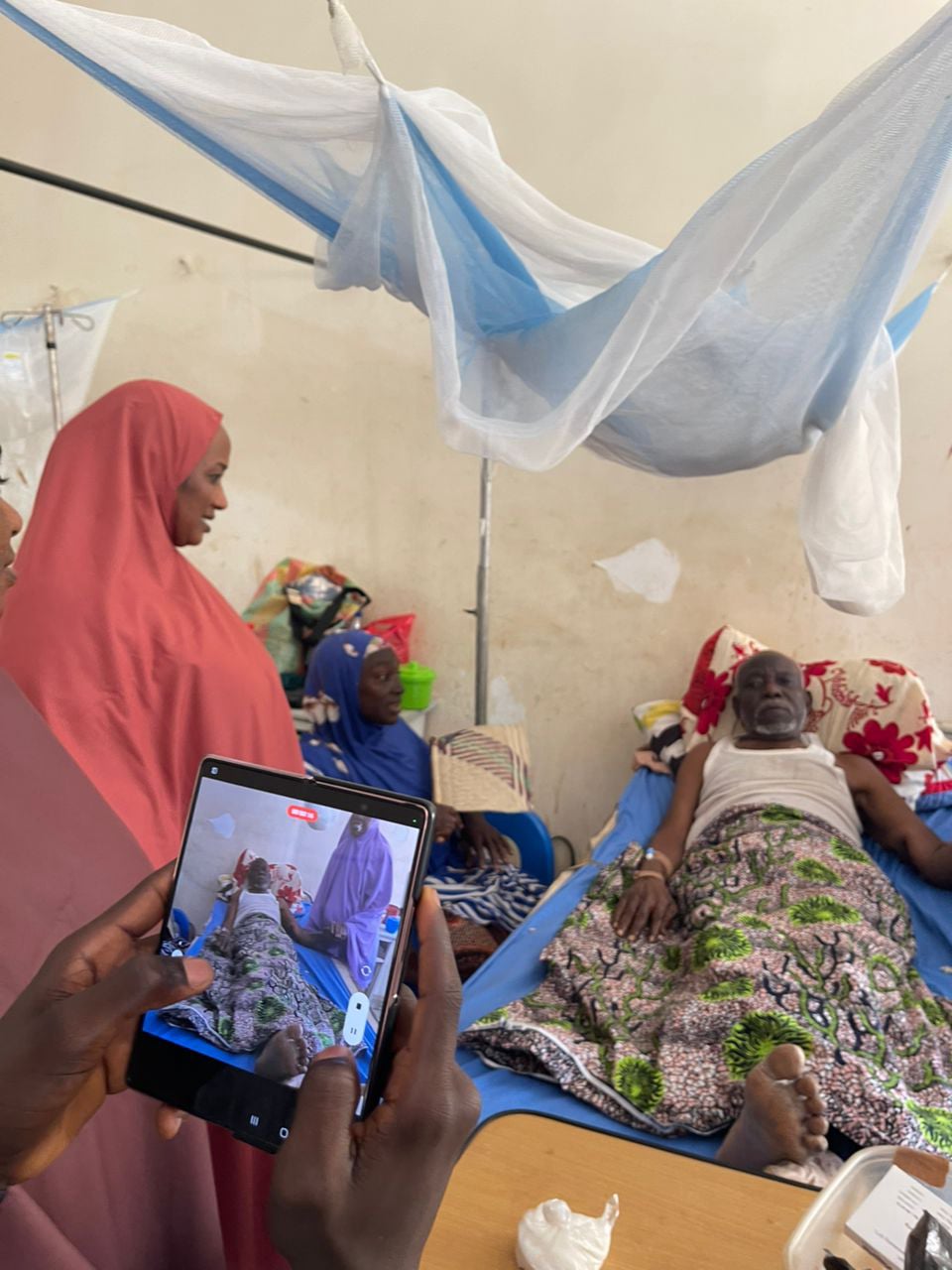
• Create interventions for malaria, pneumonia and diarrhea through distribution of insecticide treated mosquito nets, deworming and immunization of under- 5 children and their mothers.
• Provide free micronutrient supplements for children and pregnant women.
• Provide education for women and caregivers on how to properly feed their children and ideal food options and nurturing practices.
• Provide policy advice.
• Community based advocacy and awareness campaigns on the dangers of poor health practices.
• Provide support and capacity building for primary healthcare system across the country.
EDUCATION
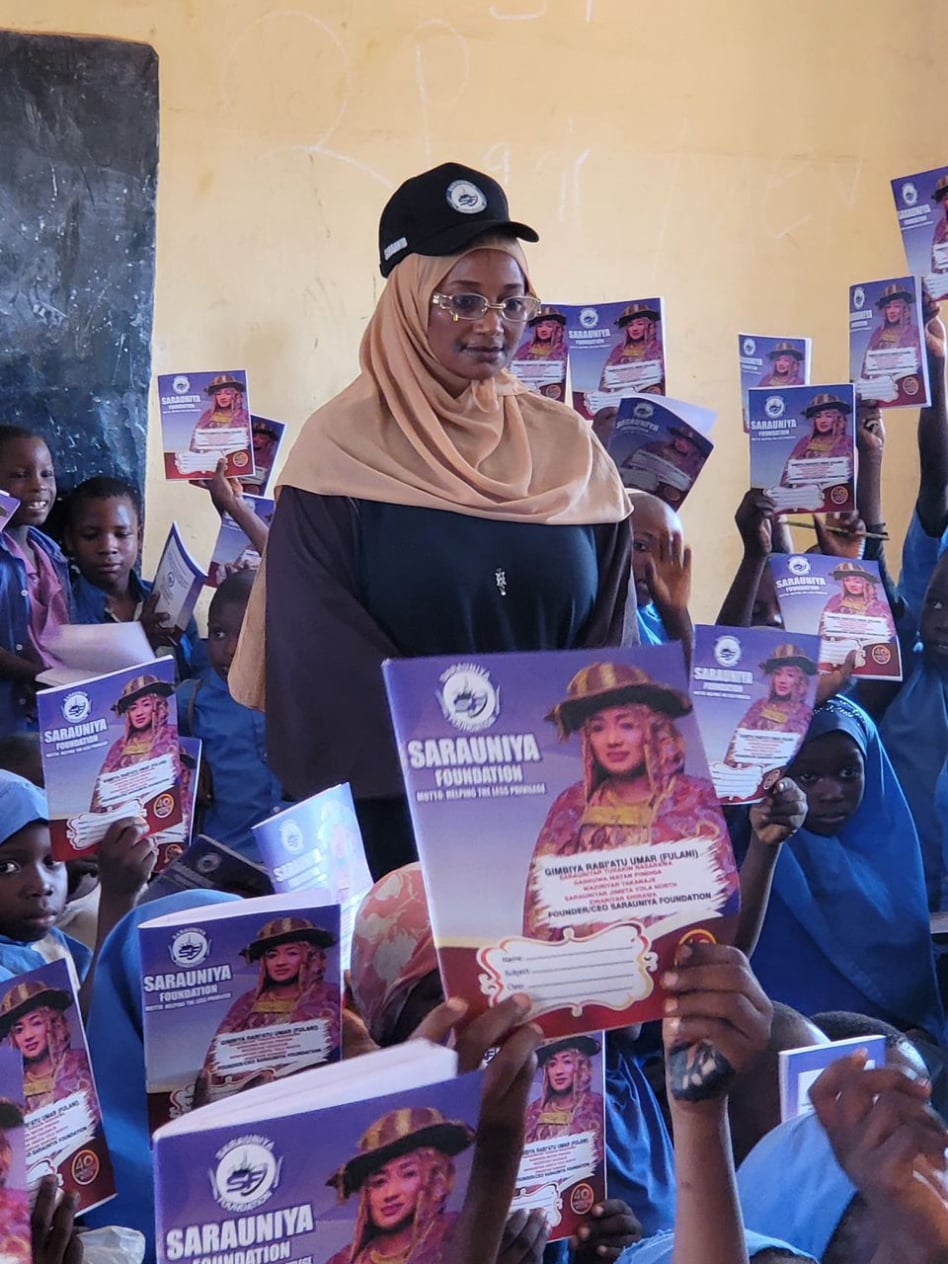
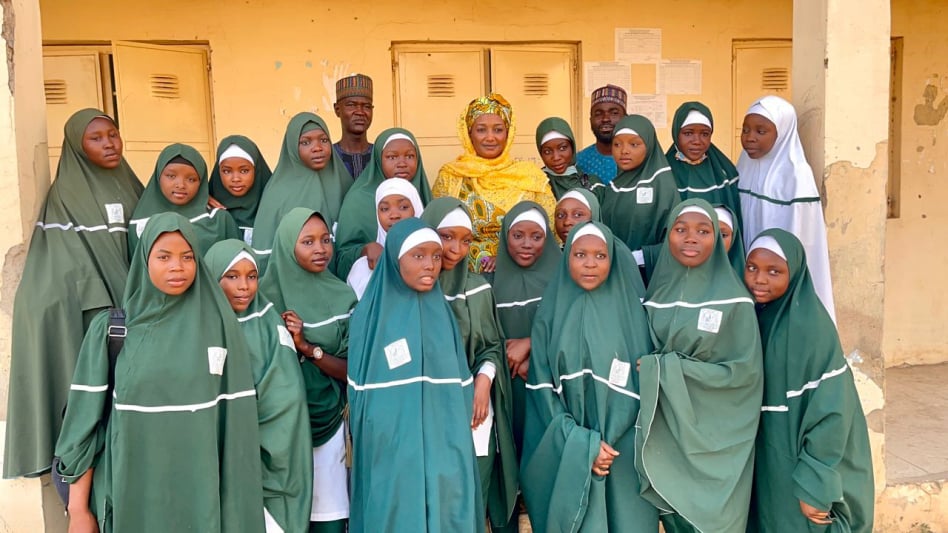
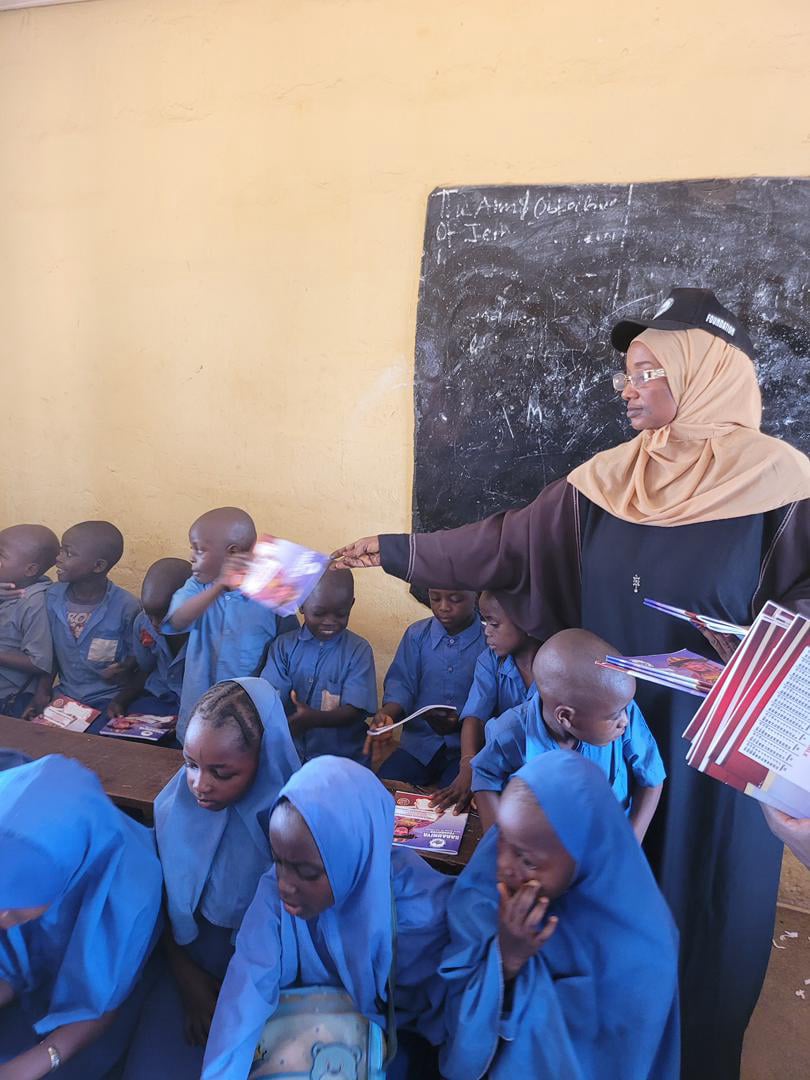
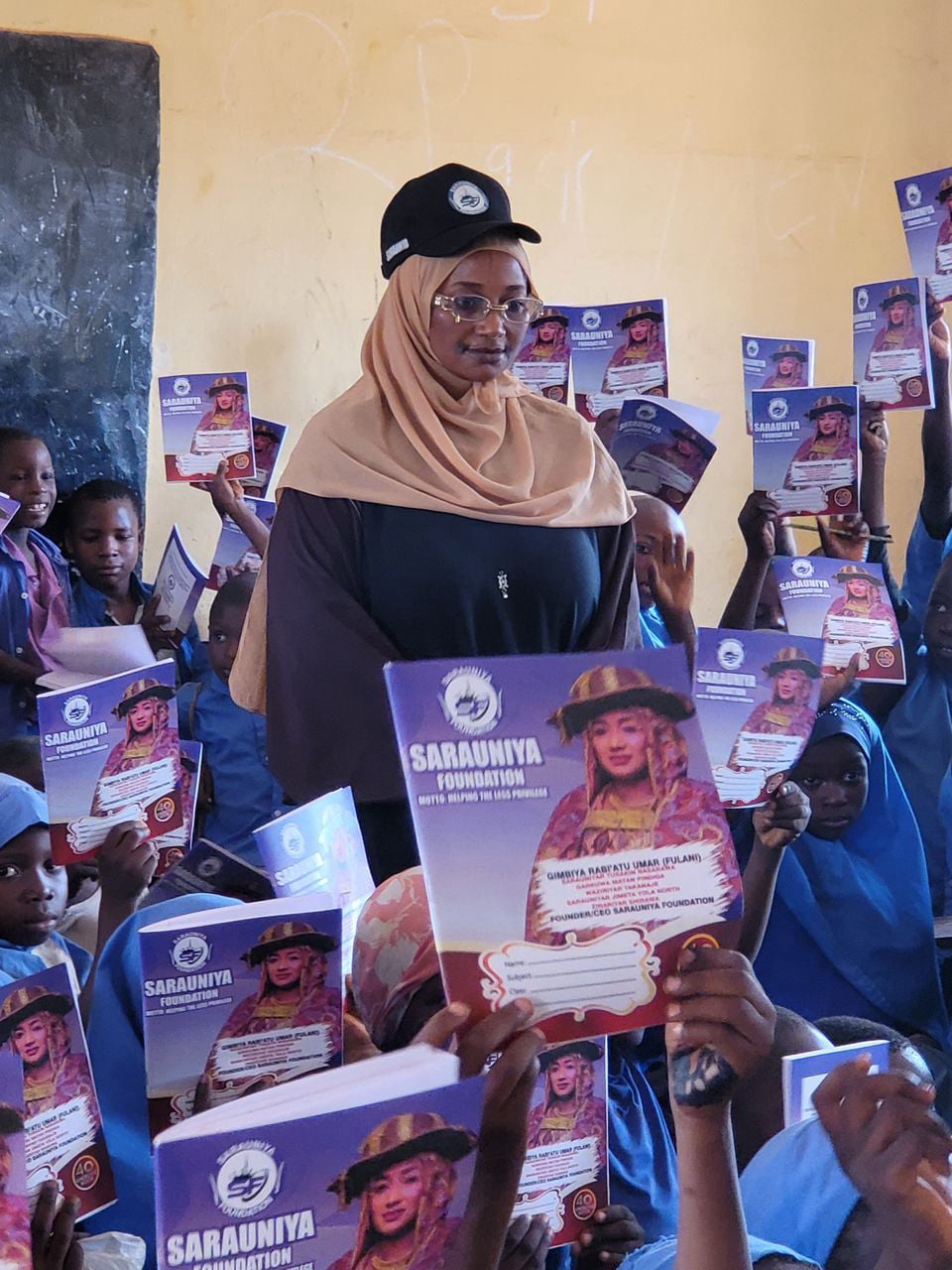
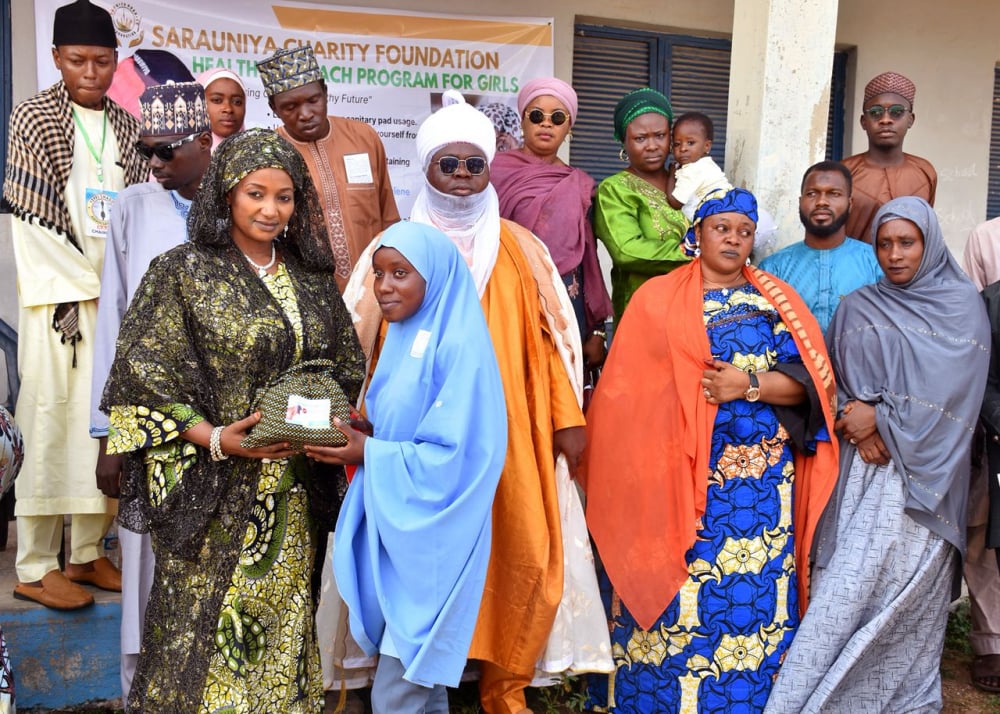
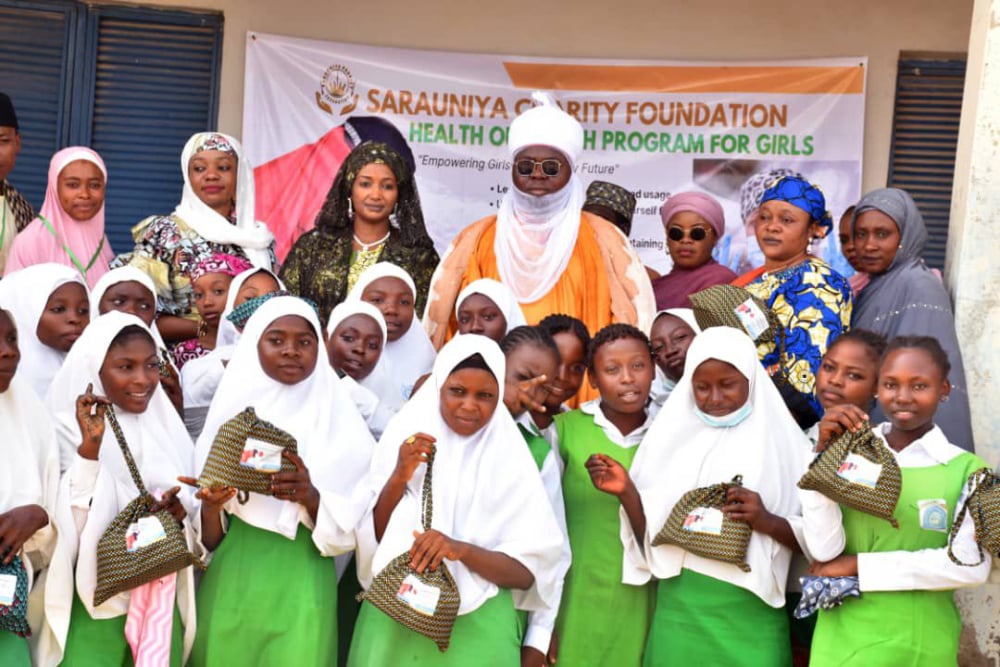
Nigeria has the highest number of out of school children in the world with about 18.3million children. About 10.5 million children between age 5-14years are not in school while only 61% of 6-11years attend primary school and only 35.6 percent of children between 36-59months receive early child education. The northern part of the country is the most hit with only 55% of children in school and this is largely attributed to cultural norms and belief systems that make it difficult to return children to classrooms. Being a pivot upon which a country's human capacity development is enhanced, education plays a large role in the socioeconomic and political development of any nation and hence, the need for priority to eradicate the impact of out of school children that includes violation of children's right to education, increased risk of violence, abuse, exploitation, neglect and recruitment to extremist groups. Despite the UBE act (2004) and associated state UBE Laws that provides free and compulsory education for all Nigerian children, factors such as poverty, attacks on schools, social and gender norms, lack of comprehensive data, insufficient supply of trained teachers, under funding of education and inefficient use of available resources and poor learning outcomes have posed a huge challenge to education in Nigeria. We therefore seek to provide interventions through the following processes;
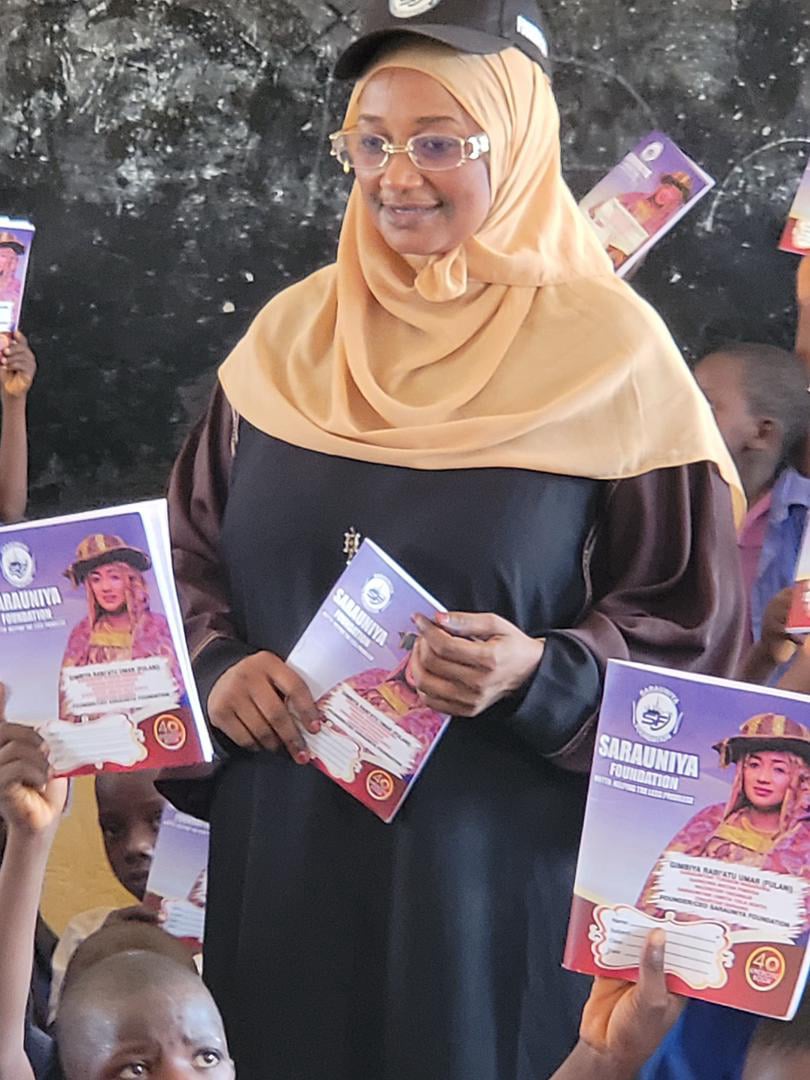
• Advocate for access to quality education for children across the country.
• Consult with stakeholders extensively on ways and means to return children to school.
• Facilitate and coordinate training programs and capacity building for teachers.
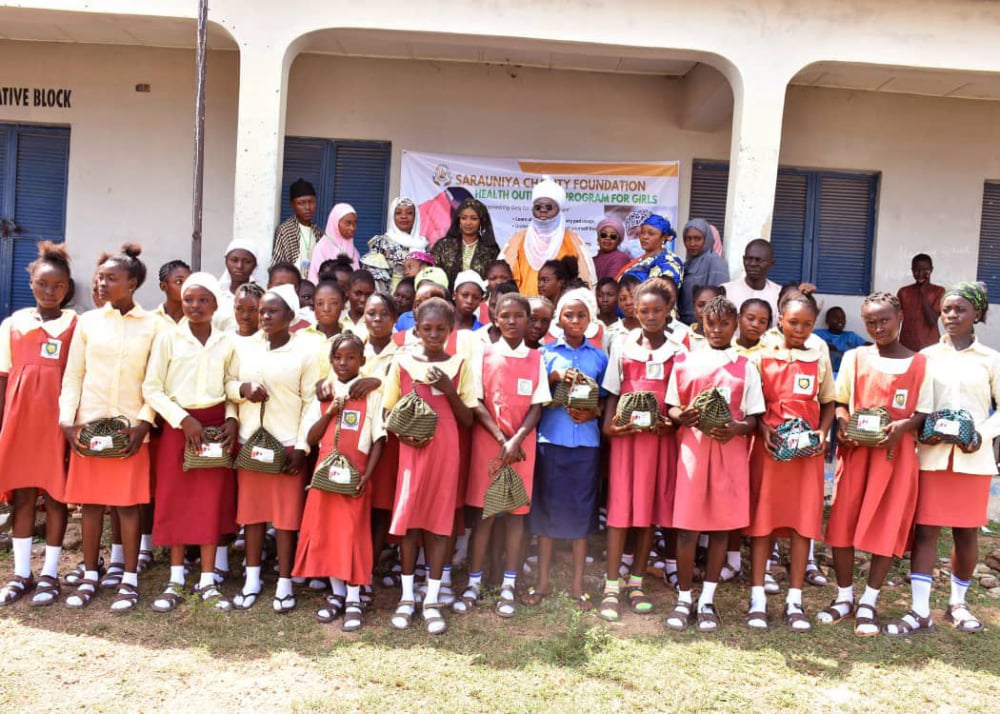
• Create and implement the girl child education program across the country.
• Create peer networks for the boy and girl child.
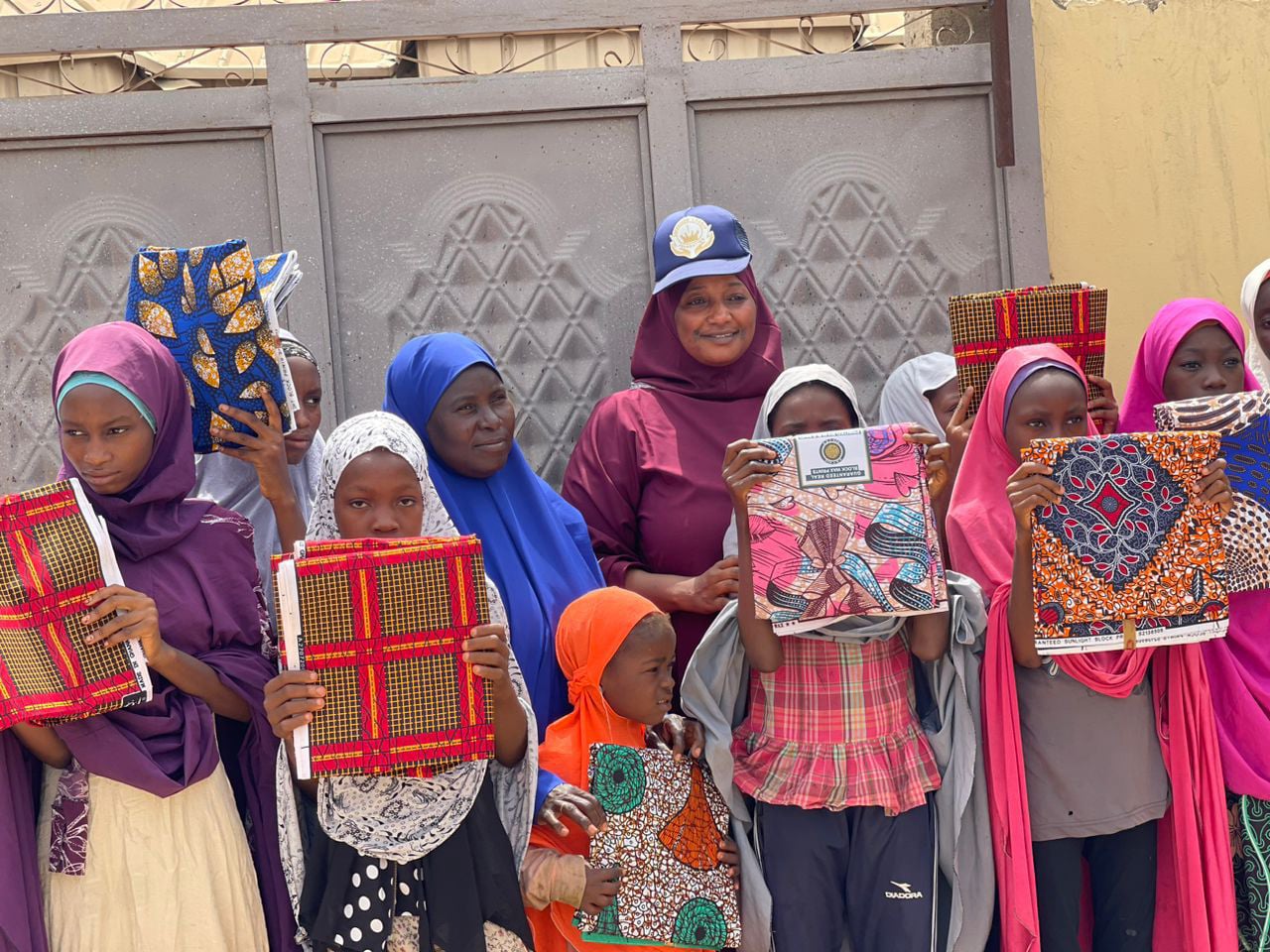
• Provide economic empowerment through skill acquisition for community members, to build capacity.
• Create awareness on negative social norms and its danger on child education.
SOCIAL ECONOMIC DEVELOPMENT
The need for SED has taken center stage considering the present spate of terrorism, banditry, violence, natural disaster and insurgency that has plagued Nigeria and more predominantly, in the hard to reach communities. Between now and the last 15 years, terrorism, banditry, violence, natural disaster and insurgency has resulted in the death of over 35,000 people and the displacement of over 10.5 million people who presently seek refuge in IDP camps across the country, with limited resources. Also, due to the negative impact associated with violence against children (VAC), rooted in violent discipline, community beliefs and social norms, it is imperative to seek SED. According to UNICEF, 6 in every 10 children experience some form of violence or abuse and 1 in 4 girls and 10% of boys have been victims of sexual abuse in Nigeria. Nigeria ranks 3rd in Africa with 23 million child brides and although there is a 9% decline since 2003 and 6% more by 2030, Nigeria's rapid population growth will see the number of child brides increase by 1million in 2030 and double by 2050. The prevalent cases of female genital mutilation (FGM) experienced by 27% of women between the ages of 15-49 calls for concern. 1 in 4 girls experience FGM and this ranks Nigeria as the 3rd country in the world with 19.9million cases of absolute female genital mutilation (AFGM) and this number will remain unchanged by 2030 despite a projected prevalence decline, due to population increase. It is worthy of note that only about 30% of children in Nigeria are recorded at birth. This data creates a gap in government's social and economic planning as well as achieving sustainable development goals and child protection. Hence, the need to provide interventions to address these and other challenges, the bulk of which are often predominant within hard to reach communities. We therefore seek to provide interventions through the following processes;
• Drive advocacy for cultural and social norm changes within communities through sensitization and awareness campaigns within the communities.
• Through seminars and workshops with notable stakeholders, strengthen legislative and institutional frameworks to protect vulnerable and exposed children and women by granting them access to preventive and responsive protection services for women and children.
DISASTER MANAGEMENT
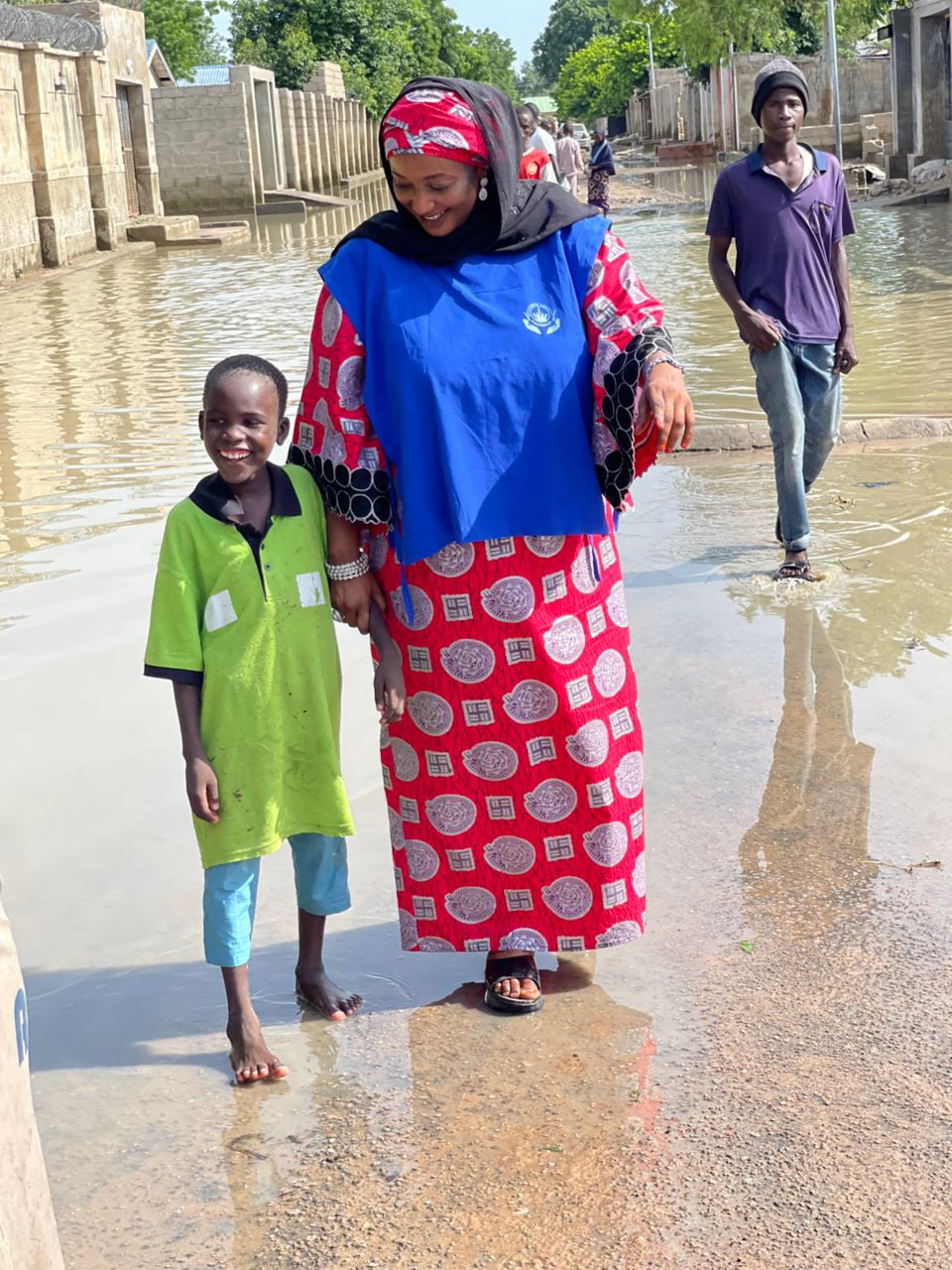
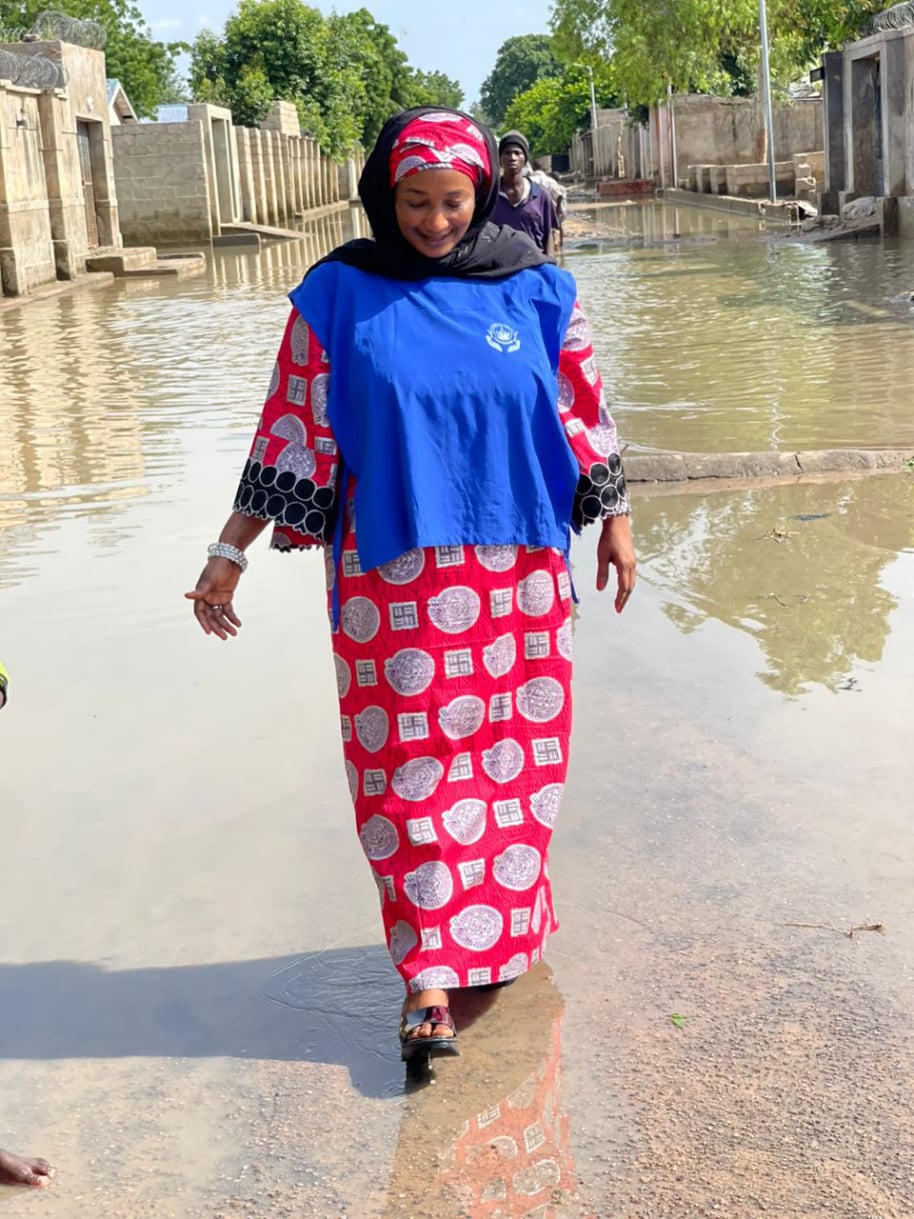
Nigeria experiences frequent disasters that disproportionately affect vulnerable communities. Floods, farmer-herder conflicts, disease outbreaks, and building collapses disrupt livelihoods and deepen poverty. Often times, government efforts to lead national response have certain gaps disrupting coordinated relief plans at the community level and hence, require a broader approach to drive an impact based disaster response that is impactful. AS notable stakeholders who play a critical role in managing the mental, emotional, physical, economic and psychosocial stressors that come to be, as a result of the outbreak of natural disasters at varying levels, we take on critical roles in bridging early warning, first response, and recovery. We seek to provide intervention in the following areas;
• By accessing the current disaster landscape in Nigeria, engage in creating and managing awareness campaigns that are robust in equipping hard to reach communities on early signs of disaster and life-saving actions to take.
• Encourage a shift in conventional cultural practices that impact directly on the emergence of natural disasters.
• Set up local emergency management committees within hard to reach communities, train and properly equip them as first responders.
• Deliberate with private and public sector stakeholders, coordinate efforts and provide intervention on larger scales.
EQUALITY
Research done over the years on matters of equality as a means of bringing balance and equal opportunities across board, to guarantee strong livelihoods and impact communities, gaps identified in gender, income, ethnicity, geography and disability are major influencers of opportunities, despite the constitutional guarantees available within the country. Access to good academic, economic, health and social benefits have come to vary across space and time, thereby resulting in inequality on a large scale. With available data highlighting gender based violence, high rate of youth unemployment (40%), poverty (63% of Nigerians are multi dimensionally poor), low rate of girls enrollment into schools for higher learning, north-south disparities in health, academic and infrastructure, with rural and hard to reach communities affected more than their urban counterparts, the need to galvanize all stakeholders across board and adapt a holistic approach towards addressing these existing gaps cannot be over emphasized. We therefore seek to provide interventions through the following processes;
• In collaboration with all stakeholders, raise advocacy at all levels and enact legal and policy frameworks that guarantees zero discrimination against gender, ethnicity, religion and disability.
• Coordinate quick implementation of already existing laws as enshrined in the constitution of the federal republic of Nigeria, that has been thought out, enacted and passed into laws that support peaceful coexistence, youth empowerment, conflict reduction and affirmative action for women, the girl child and children as well as zero discrimination for persons with disability.
• To, in collaboration with the Nigerian justice system, law makers at the state and federal levels and other relevant ministries, agencies and stakeholders, engage and initiate reforms that best provide covering for all citizens.
• Set up a robust and effective data collection and analysis system for information gathering, as a means of identifying and resolving factors that could lead to the disturbance of peace.
• Through strategic partnerships, engage in the training of first responders to cases of abuse of civil rights and injustice, modern practices and inter agency collaboration. Identifying and explaining roles and overlaps that guarantee results.
• Sensitize and educate community members on available open channels for effective communication and access to safety, and the dangers attached to such negative social economic practices as lack of quality healthcare, education, trafficking, discrimination, and other forms of abuse.
• Dialogue with religious, traditional and community leaders on the need for tolerance, to ensure lasting peace and social economic development to safeguard lives.